Master's
About Environmental Sciences at CSUSB
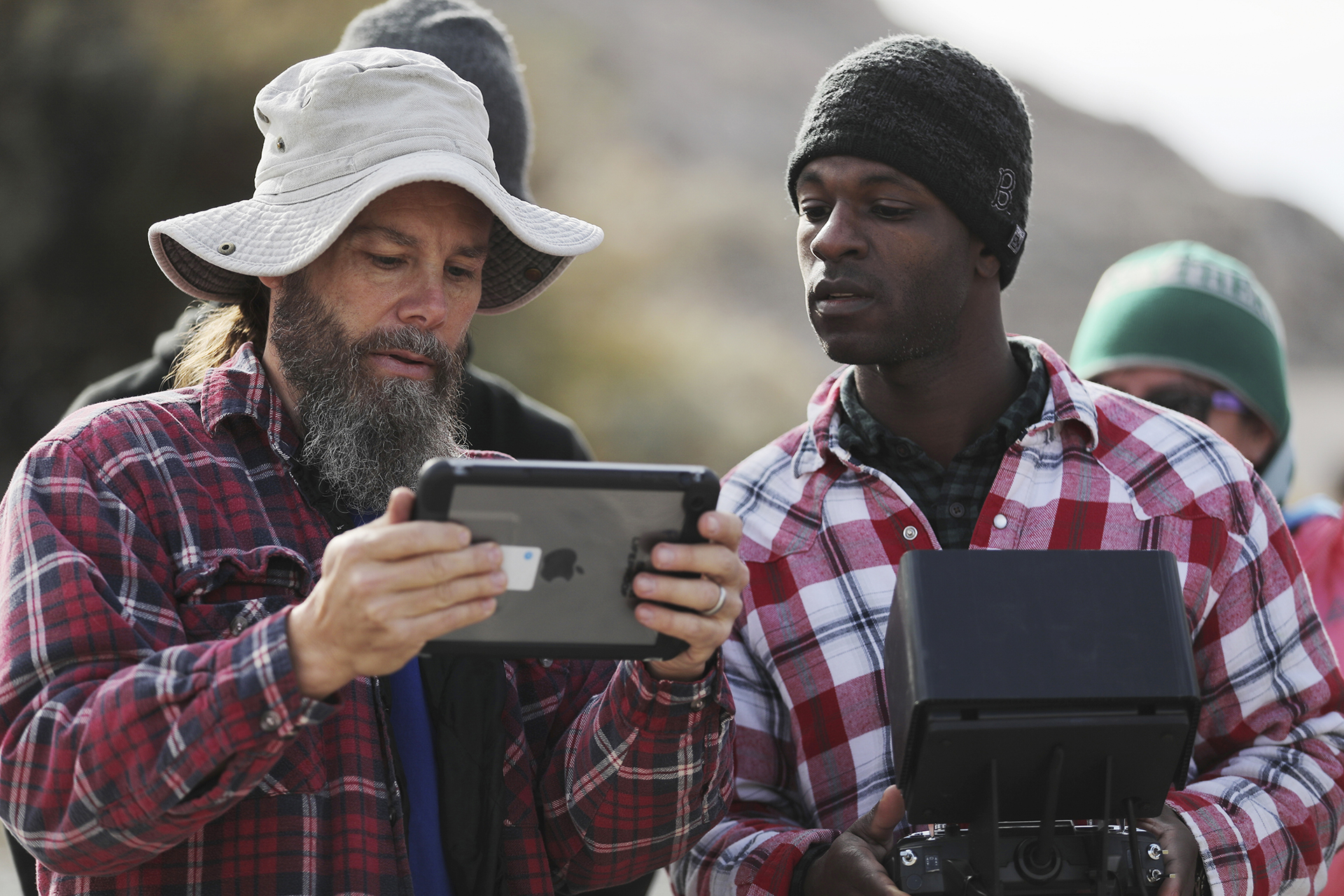
The M.S. in Environmental Sciences equips you with the knowledge and research experience to address today’s most pressing environmental challenges. You’ll build a strong foundation in areas such as water and air quality, conservation, and sustainability—preparing you for a meaningful career in research, industry, or public service.
This interdisciplinary, two-year program allows you to explore subjects beyond the sciences, with courses in economics, geography, health sciences, management, and public administration alongside core studies in chemistry and geology.
Your graduate journey culminates with either an internship and extended project or a research thesis—both of which include a formal defense that demonstrates your expertise and readiness to lead in the field.
Careers in Environmental Sciences
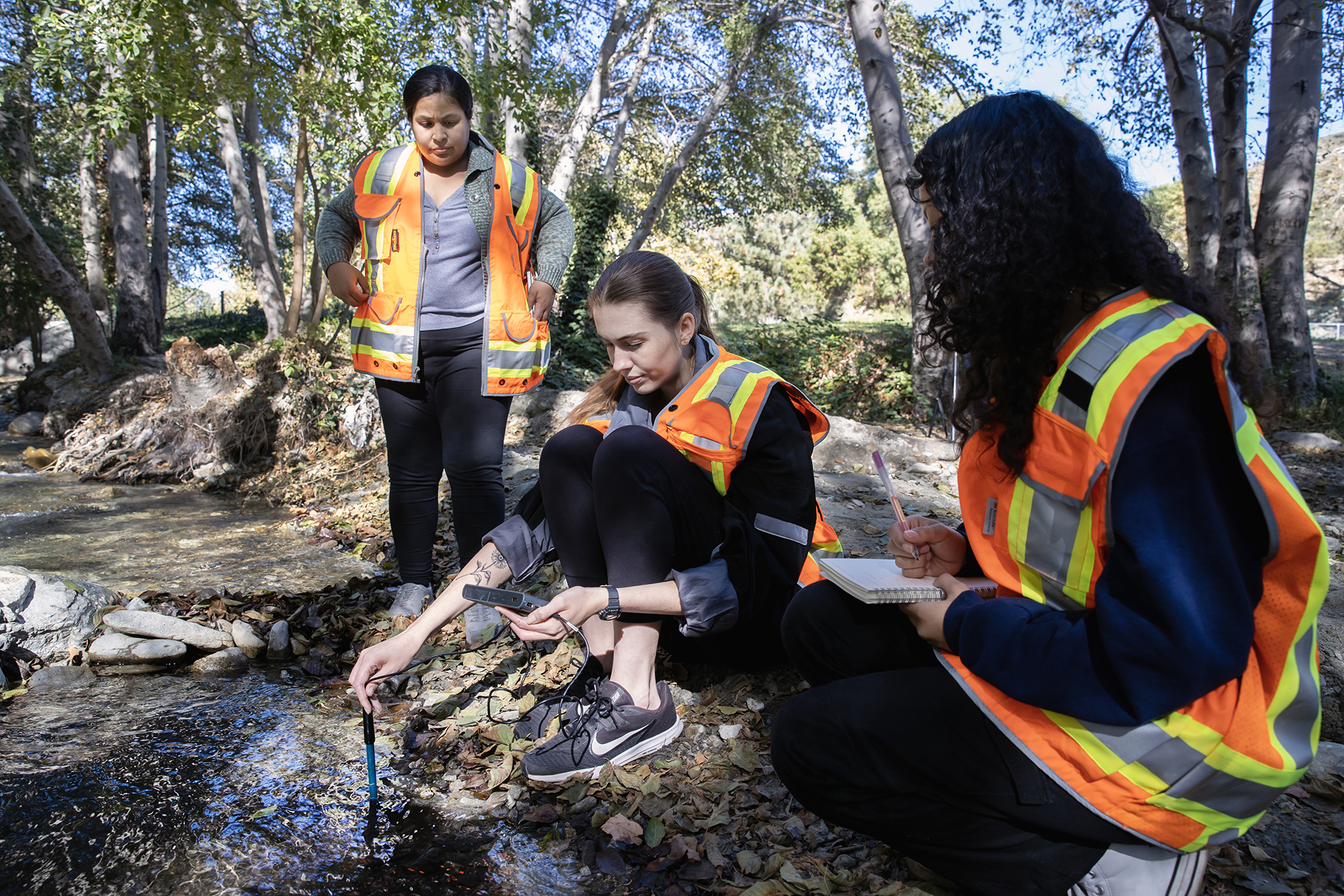
Environmental science is a growing field with a wide range of career possibilities. According to the U.S. Bureau of Labor Statistics, jobs for environmental scientists and specialists are projected to grow 7% between 2023 and 2033—faster than the average for all occupations.
Graduates can make an impact across government agencies, nonprofit organizations, and private industry, working on solutions to protect our planet and improve public health. Career paths span everything from field research and data analysis to environmental policy, education, and corporate sustainability.
Here are just a few roles you may pursue (some may require additional education or certification):
- Environmental health officer
- Environmental health and safety specialist
- Environmental educator
- Agricultural scientist
- Environmental consultant
- Environmental manager
- Chief sustainability officer
- Natural resource manager
- Waste management or recycling officer
- Environmental lawyer
- Environmental policy analyst
- Urban or regional planner
- EPA inspector
- Environmental scientist
- Hydrologist
- Ecologist
- Wildlife or marine biologist
- Atmospheric scientist or climatologist
- Geoscientist or environmental geologist
- Environmental microbiologist
Sample Courses
Environmental Economics
Topics might include regulatory and market approaches to pollution and natural resource depletion; cost-benefit analysis and its economic and political foundations; and case studies of specific environmental problems such as locally unwanted land use, environmental racism, deforestation, and global warming.
Ecology
Analysis of the interrelationships of organisms and their physical and biotic environment with a consideration of the role of the environment in natural selection.
Groundwater Hydrology
Occurrence, distribution, and movement of groundwater; properties of aquifers; principles of groundwater flow; effects of well extraction; regional groundwater flow; water quality and contamination.
Meet Professor Jennifer Alford, Ph.D.
Opportunities for Students
As a graduate student in environmental sciences, you’ll have opportunities to apply your learning beyond the classroom. You can gain hands-on experience through internships or by working alongside faculty on research projects that make a real-world impact. Students with an undergraduate degree in chemistry, geology, or a related field may also qualify to teach undergraduate lab courses, building both teaching and leadership skills.
Similar to Environmental Sciences
With more than 50 undergraduate degrees at CSUSB, we offer a variety of programs that reflect the Coyotes' passion for learning. Check out where your curiosity will take you at CSUSB.
