Bachelor's
About Computational Linguistics and Artificial Intelligence at CSUSB
Computational Linguistics and Artificial Intelligence is coming to CSUSB in Fall 2027, launching a bold interdisciplinary major at the intersection of human language and intelligent technology. This Bachelor of Science prepares students to design, analyze, and improve the systems that power tools like chatbots, voice assistants, translation software, search engines, and generative AI. Students combine training in linguistics, artificial intelligence, machine learning, data analytics, and programming to teach computers how to understand, interpret, and generate human language. As AI reshapes how we communicate, work, and live, this program equips students to shape the future of human-machine interaction—ethically, creatively, and intelligently.
Careers in Computational Linguistics and Artificial Intelligence
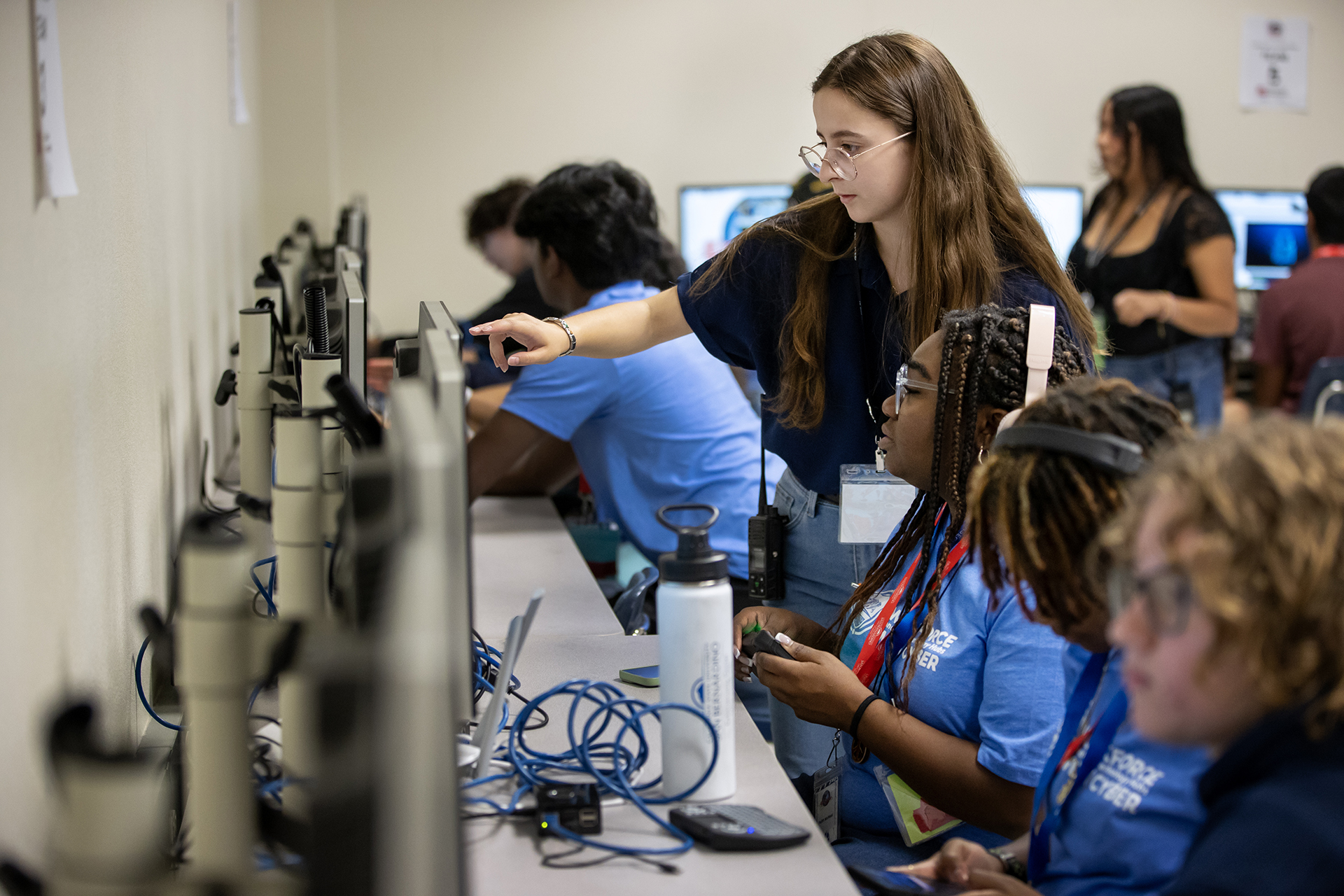
Graduates are prepared for high-growth, high-impact careers in technology, business, government, and research. Career paths include Computational Linguist, Natural Language Processing (NLP) Engineer, Artificial Intelligence Specialist, Machine Learning Engineer, Data Analyst, Language Technologist, Speech Recognition Engineer, Chatbot Developer, Conversational AI Designer, Prompt Engineer, Software Developer, and AI Research Analyst. Graduates may also work in fields such as speech recognition, automated translation, sentiment analysis, information retrieval, digital marketing analytics, and human-computer interaction. The degree also provides strong preparation for graduate study in AI, linguistics, computer science, data science, and related fields.
Meet Professor Vincent Nestler, Ph. D.
Opportunities for New Students
Students gain hands-on experience through programming, data analysis, and natural language processing projects that connect theory to real-world applications. Coursework includes Python programming, machine learning, text mining, sentiment analysis, language modeling, and ethical AI, supported by dedicated linguistics and AI lab spaces. Students participate in internships, applied research, and experiential learning, gaining exposure to industry tools and real datasets. With interdisciplinary faculty expertise and access to emerging technologies such as AI, machine learning, and extended reality, students graduate with both technical skills and critical insight into the social impact of intelligent systems.