Bachelor's
About Environmental Health Science at CSUSB
The B.S. in Environmental Health Science (EHS) at CSUSB is where science, policy and public health come together. This program focuses on how environmental factors — both natural and human-made — impact human health and well-being.
You’ll explore critical issues such as:
- Air and water pollution
- Food safety and sanitation
- Toxic and hazardous materials
- Disease vectors and environmental disease control
Through hands-on learning, real-world case studies and fieldwork, you’ll gain the skills to identify, manage and reduce health risks in communities — all while making a lasting impact on the environment.
Accredited by the National Environmental Health Science and Protection Accreditation Council (EHAC), CSUSB’s program prepares you for meaningful careers in:
- Public health agencies
- Environmental consulting and industry
- Government and regulatory bodies
- Nonprofits and private sector organizations
If you're ready to lead change and help create healthier, safer communities, Environmental Health Science at CSUSB is a powerful place to start.
Careers in Environmental Health Science
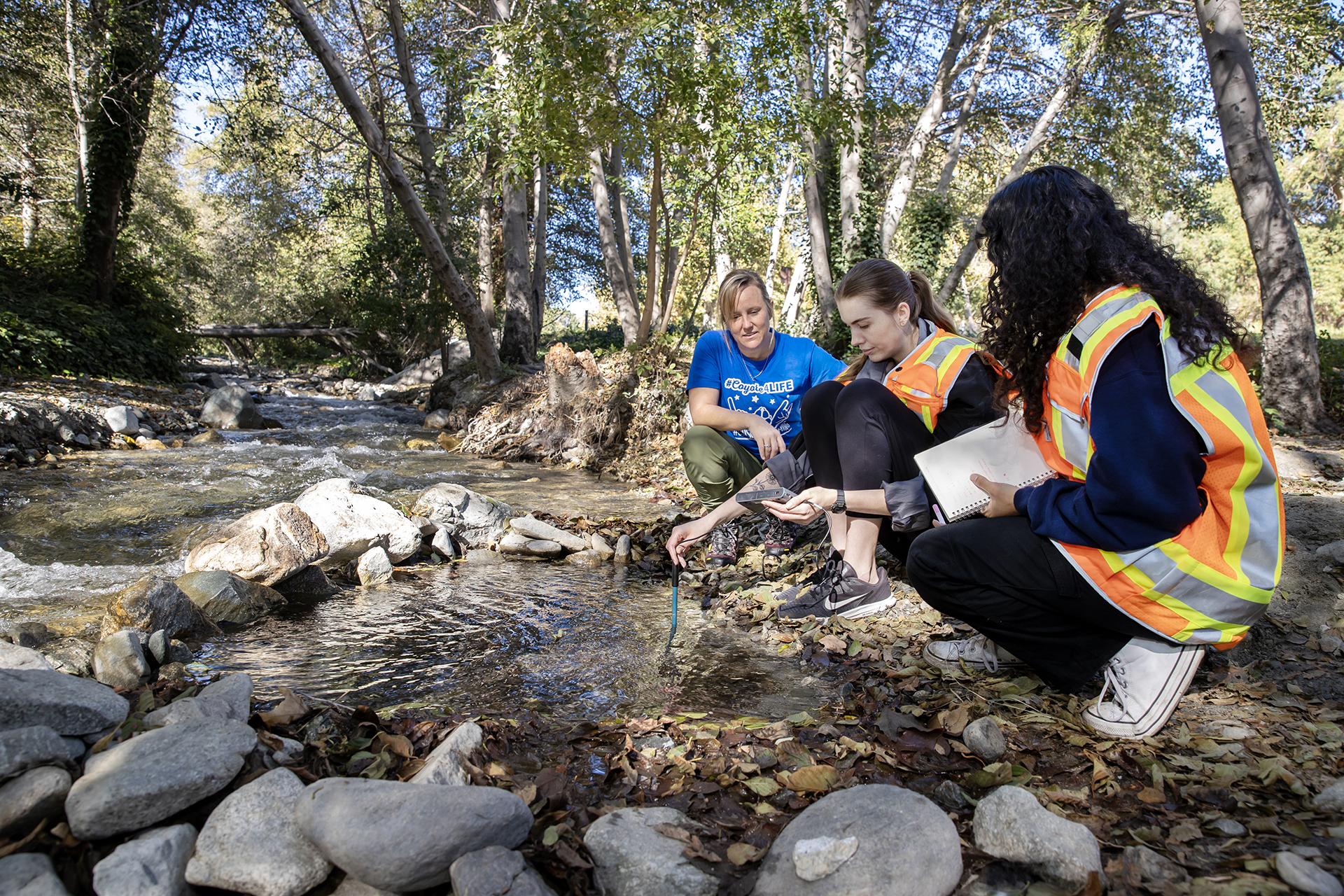
Our graduates pursue careers as:
- Environmental health specialists
- Environmental scientists
- Climate change analysts
- Industrial ecologists
- Industrial hygienists
- Public health officers
- Safety managers
The demand for EHS professionals is strong, with excellent job prospects, competitive salaries and opportunities for advancement, especially in fields focused on public health protection, environmental sustainability and workplace safety. Many graduates also go on to earn state and national certifications, further enhancing their career outlook and earning potential.
Sample Courses
Principles of Environmental Health
This gateway course introduces students from diverse academic backgrounds to the foundations of Environmental Health Science. Students learn about major environmental health topics, key challenges and opportunities in the field, and how environmental systems impact human health in a comprehensive, systemic way.
Principles of Toxicology
As the only toxicology course offered on campus, this class provides a strong foundation in essential toxicological concepts, including dose-response relationships, toxic effects, hazard and exposure assessment, risk evaluation, and communication strategies. Bridging the fields of toxicology and pharmacology, this course significantly enhances students’ understanding of both therapeutic and harmful chemical substances.
Vector-borne Disease Control
This unique course is the only offering on campus that provides an in-depth exploration of vectors, vector-borne diseases and their surveillance and control. Featuring a hands-on laboratory component, students observe key insect vectors and study their anatomy, life cycle, behaviors and roles in disease transmission. Completion of this course places graduates in an excellent position to secure employment with vector control agencies and public health organizations.
Meet Alum Ashton Fowler

Opportunities for Students
Notable opportunities available to EHS students include:
Internships: Every student completes a minimum of 180 hours of internship experience with leading agencies, including city, county, state, military and private-sector organizations. Our internships give students a powerful head start by building real-world skills, expanding professional networks and offering direct insight into the many exciting career paths within environmental health.
Paid year-round externships: Environmental Health is one of the few majors that offers abundant paid externships throughout the year. Our students secure prestigious opportunities with government agencies, research labs, universities, hospitals, industry leaders, and the military. These paid experiences not only enhance classroom learning but also give students a competitive edge in the job market before graduation.
Research, independent study and honors recognition: EHS students can immerse themselves in independent research projects under expert faculty mentorship, gaining valuable skills in scientific investigation, data analysis and professional presentation. High-achieving students can take it a step further by completing an Honors Thesis and graduating with Honors distinction, an impressive accomplishment that sets them apart for graduate school, fellowships and top-tier employment.
Similar to Environmental Health Science
With more than 50 undergraduate degrees at CSUSB, we offer a variety of programs that reflect the Coyotes' passion for learning. Check out where your curiosity will take you at CSUSB.
