Main Content Region

Concentrations

Someone writing in a journal

Creative Writing

The Creative Writing concentration will teach you how to realize your own ideas on the page. From foundational craft skills to intermediate workshops in different genres—such as poetry, fiction, and creative nonfiction—students in the concentration build up to writing longer pieces, including short stories, poetry collections, and even novels. Opportunities also exist for learning how to teach writing, running a literary magazine, writing YA/children’s literature, writing for broadcast, and diving deep into advanced topics such as science-fiction, horror, hybrid work, and surrealism. You will study literature as a writer and learn techniques from successful authors to craft our own worlds and works. This concentration will develop your writing practice, give you insights into careers in creative writing, and most importantly, make you into the author you want to be!

Artistic cartoon of two people exchanging cognition

Linguistics

The Linguistics Concentration prepares students to examine how language is structured and used. In particular, students in this concentration learn about the sounds (phonetics and phonology), grammatical constructions (morphology and syntax) and meanings (semantics and pragmatics) of language, as well as their uses within everyday speech and writing (sociolinguistics and discourse). This concentration attends to how language interacts with human thought, and how it varies across individuals and communities in relation to geography, social class, ethnicity, gender, sexual identity, age, and culture.  In addition, students examine language development and use across the lifespan, including patterns associated with communication disorders. Students also explore the processes of language acquisition and bilingualism in children and adults.  Graduates from this concentration are ready for various careers in teaching, editing, allied health, law, research, government, technology, and other sectors.  
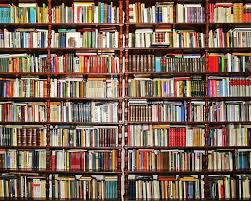
A wall of books at a library

Literature

The Literature concentration offers an advanced study of literature, building on the foundational literature classes taken in the core of the major. In the same semester, students might immerse themselves in classics by Shakespeare or Edgar Allan Poe, study popular genres like horror or postapocalyptic fiction, and explore Chicano/a American literature or literature by people with disabilities. Students in this concentration will deepen their research and writing skills and gain familiarity with a range of literary theories. By the time they graduate, students will have a broad set of portable skills, including crafting evidence-based written and verbal arguments, synthesizing and communicating complex information efficiently and clearly, and developing habits of critical and analytical thinking that will help them become thoughtful citizens and careful and enthusiastic readers.

A woman giving a speech to an audience

Rhetoric & Writing Studies

Concentrating in Rhetoric and Writing Studies means studying how people today and throughout history have used language and other systems of communication to shape ideas, relationships, and public life. Students in the concentration have opportunities to study the history of rhetoric, how people use forms of communication (text, speech, image) that both reflect and change the contexts in which they circulate, and how technologies change the conditions and possibilities of communication. The concentration emphasizes both theory and practice, giving students opportunities to develop fluency in personal, academic, and public writing; multimodal composition; writing on the page and in the world. Like scholars of rhetoric, writing studies scholars care a lot about pedagogy: how we teach and learn to write, what we do through writing, and how we form writerly identities.