Food Safety Program
Food Events
We are pleased that you have chosen to sponsor an event to help enhance your campus experience. Since you will be serving food, we would like to help you have a successful event and protect the health of the campus community and your customers. Submit a food event notification form so our team can review the type of food, the conditions and the preparation processes of the food that will be at your event. Clubs or organizations that are vetted through the Office of Student Engagement must submit Event Notification forms through the Coyote Connections located in your mycoyote portal.
Submission Deadline
EHS requires a seven (7) day minimum advanced notice to receive al food event notification so that a food permit can be issued before the event. Contact us so we may answer food-event related questions. We can only provide reviews for events submitted through the online submission. You may reach us through email ehs@csusb.edu or phone 909-537-5179.
Check Your Status
To check the status of your food permit, access your permit, or view your permit history, please use our permit portal by signing in with your Coyote or CSUSB email. Please note that records are linked to the email used during your request.
Protect Event Attendees
Protections follow the California Health and Safety Code which is enforced by the San Bernardino County Department of Environmental Health Services. The key to protecting your customers is to correctly handle the food you plan to serve. Improper food handling can result in food-borne illness that can be caused by food poisonings and/or food-borne infections.
- Food Poisonings occur when hazardous substances are accidentally added to food or when bacteria grow in the fool is substantial enough to allow the production of toxic levels of waste products in the food, after which, the food is consumed
- Food-borne Infection occurs when food inadvertently suffers microbial contamination, the food is contaminated, the food is consumed, and the microbes grow within the host (consumer) to a level that causes infection and resulting illness.
Potentially hazardous foods are foods most often associated with food poisoning or food-borne infections. To help prevent problems, these foods must be maintained at or below 41° Fahrenheit (F) or at or above 135°F. Potentially hazardous foods are those that are capable of: (1) supporting rapid and progressive growth of infectious or toxigenic microorganisms, or (2) supporting the growth or toxin production of Clostridium botulinum. Following are examples of potentially hazardous foods.
Additional Resources
- Approved Non Perishable Foods (link to PDF see attached Document)
- Guidelines for Dispensing Foods at Events (link to PDF see attached Document)
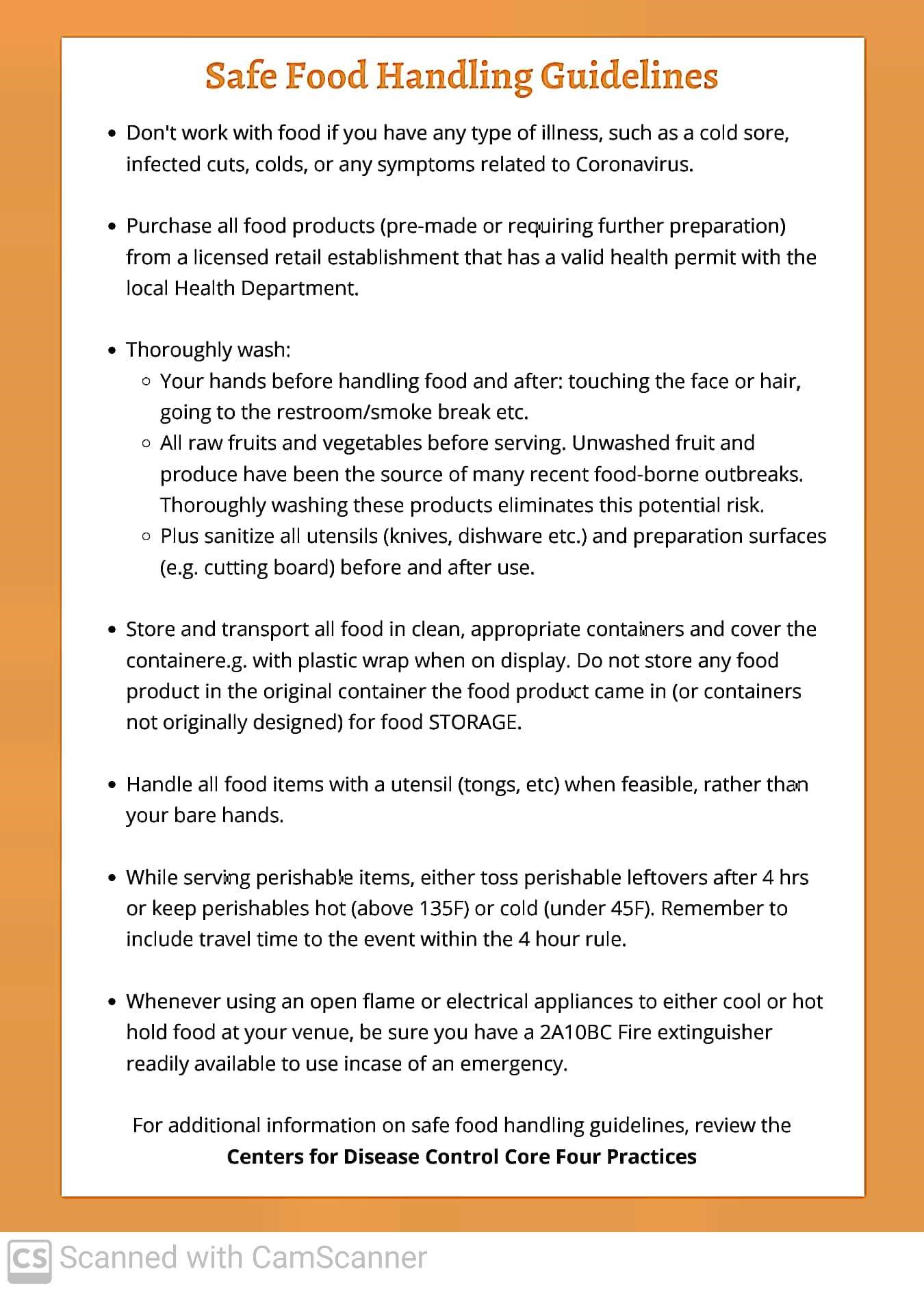
- Safe Food Handling Guidelines
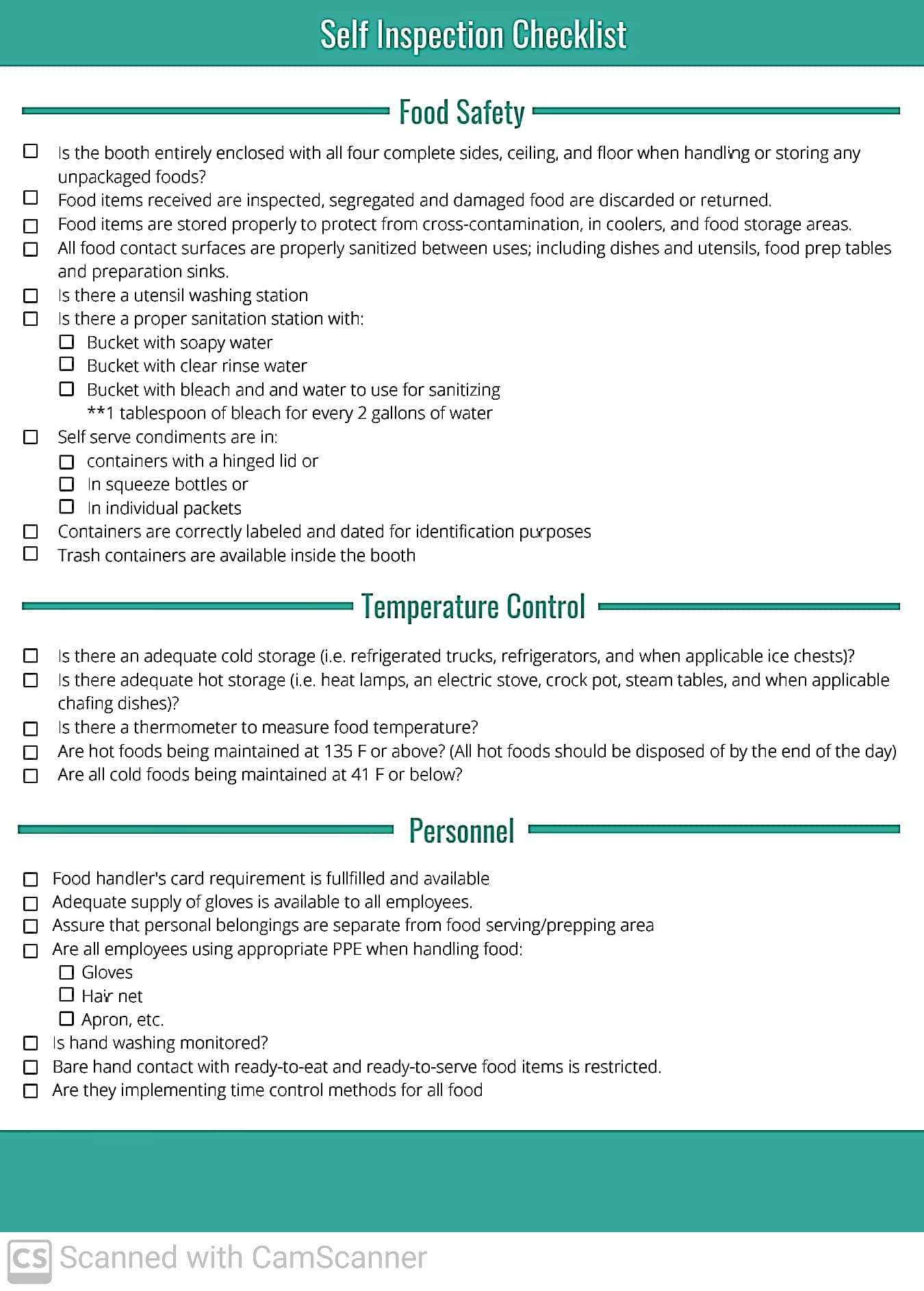
- Self Inspection Checklist
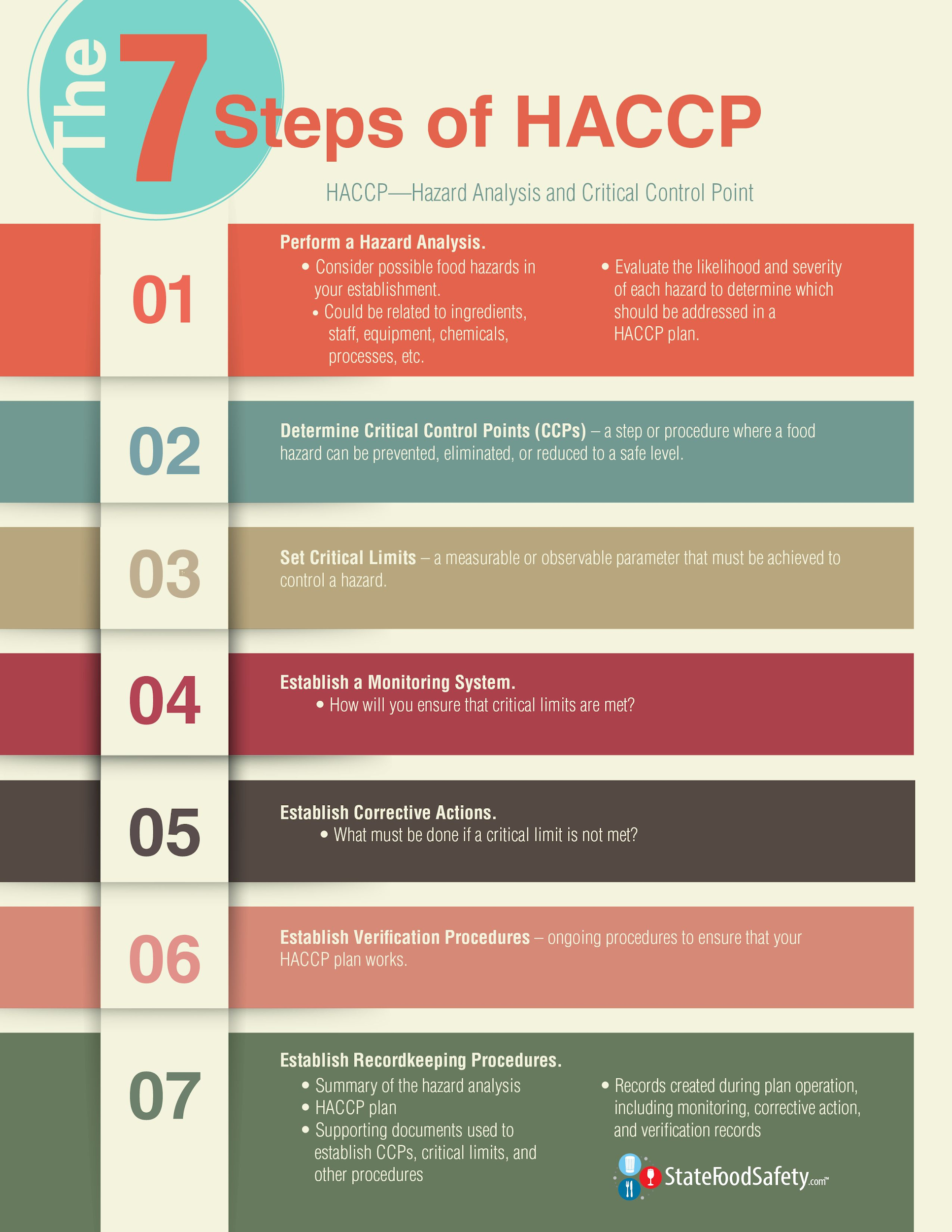
- Hazard analysis and critical control points
Food Safety FAQs
Any student organization, campus department or outside entity that plans on serving or selling food to the general public at special events on CSUSB must obtain a Temporary Food Facility permit. Office potlucks, organizational meetings, and invitation only events are excluded from obtaining these permits since foodservice at these events are considered private. Due to the nature and challenges of temporary food facilities, inherent risk is increased; therefore, there are different requirements and regulations for this type of food facilities. To ensure the safety of the campus community, review and complete the required Temporary Food Facility Permit Application(s).
Any organization such as CSUSB registered clubs, organizations, non-university individuals/organizations, etc.., that is hosting a campus event where food or beverage is offered to the public either free or for purchase.
Temporary Food Permits are valid for the duration of the event.