In Memoriam
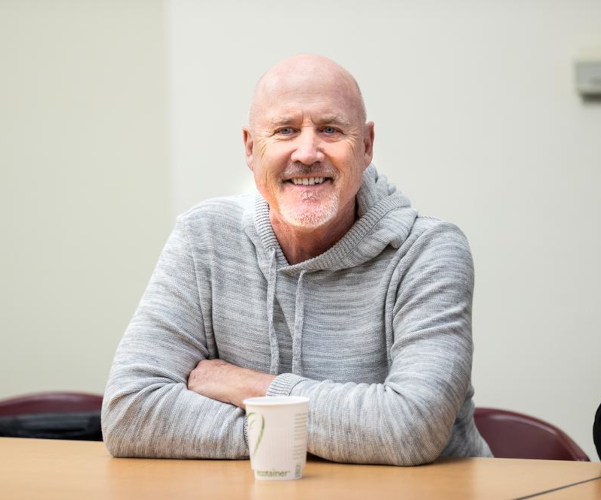
The CSUSB Department of Anthropology fondly remembers Dr. Wesley Niewoehner, who passed away unexpectedly on November 3, 2026. We grieve the loss of our department chair, faculty member, colleague, and friend. Dr. Niewoehner began his career in the Anthropology Department in 2001 and became our chairperson in the Fall of 2017. Wes was an empathetic, fair, level-headed leader with a sharp sense of humor that sometimes hid his abiding kindness. Dr. Niewoehner helped our department navigate many challenges over the years, including the quarter-to-semester transition and the COVID-19 pandemic. He oversaw important growth in the Master’s in Applied Archaeology program and the hiring of Drs. Des Lauriers and Sosa Aguilar. Dr. Niewoehner was an award-winning mentor and teacher. He was also known for his biological anthropology research on the functional anatomy (especially the hand bones) of Neanderthals and early modern humans, with high-impact publications in venues such as Nature, Proceedings of the National Academy of Sciences, and the American Journal of Biological Anthropology. The Department of Anthropology is committed to honoring his legacy by maintaining his steadfast dedication to the teaching and mentorship of our students.

What is Anthropology?
Check out Professor Niewoehner's podcast about the Anthropology major!
'Anthropology is the study of humans, past and present. To understand the full sweep and complexity of cultures across all of human history, anthropology draws and builds upon knowledge from the social and biological sciences as well as the humanities and physical sciences. A central concern of anthropologists is the application of knowledge to the solution of human problems. Historically, anthropologists in the United States have been trained in one of four areas: sociocultural anthropology, biological/physical anthropology, archaeology, and linguistic anthropology. Anthropologists often integrate the perspectives of several of these areas into their research, teaching, and professional lives.' Source
Congratulations to MA in Applied Anthropology recent graduate Ruth Musser-Lopez for being featured in the Student Spotlight in the Graduate Studies Newsletter!


