Alan Llavore | Office of Marketing and Communications | (909) 537-5007 | allavore@csusb.edu
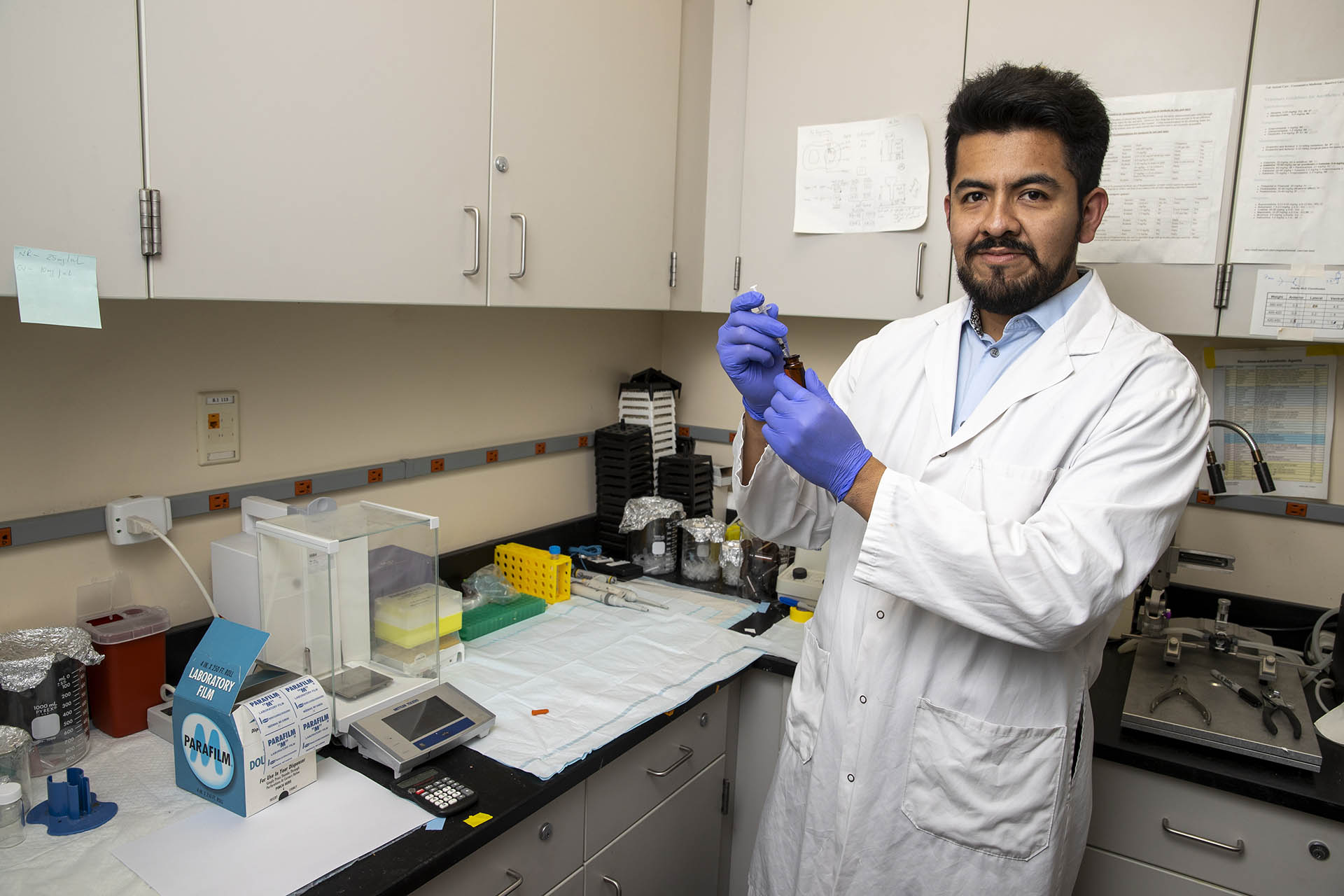
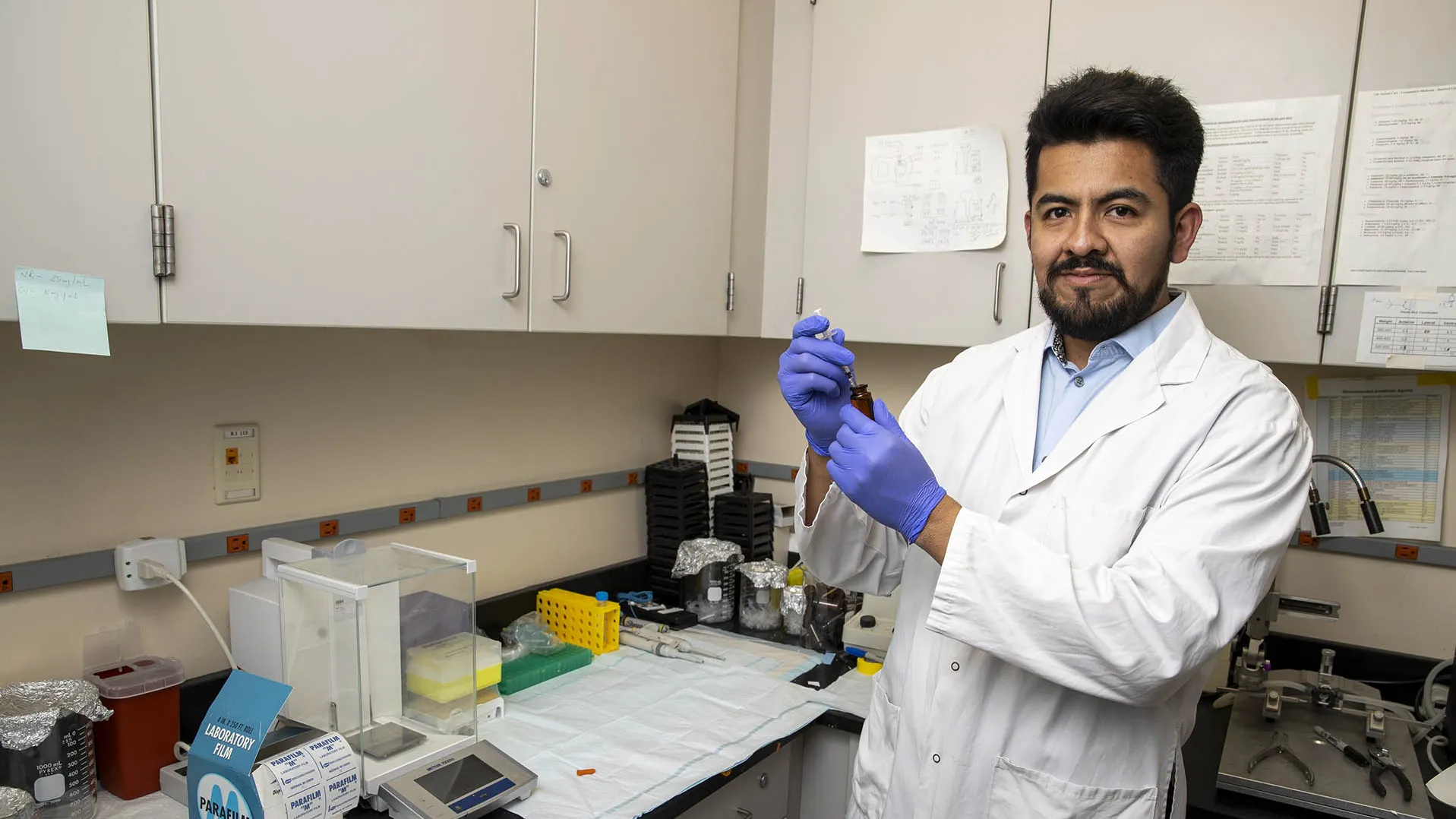

Luis Gonzalez came to Cal State San Bernardino intrigued by a field he knew little about. Years later, that curiosity has taken the first-generation college student from undergraduate research labs to conference stages, earned him a peer-reviewed publication and brought him a growing list of awards – experiences he believes other students can discover if they are willing to seek them out.
Now pursuing a master’s degree in psychological science with a concentration in behavioral and cognitive neuroscience, Gonzalez has made research a defining part of his CSUSB education. He has studied subjects ranging from sleep and circadian rhythms to psychostimulants and nicotine, while gaining valuable experience as he prepares for doctoral study and a career connecting neuroscience with public policy.
For students considering research or graduate school, Gonzalez said one of the most important lessons from his experience is not to underestimate what is available to them at CSUSB.
“These are opportunities that we cannot take for granted because this school provides so many opportunities,” he said, adding that CSUSB gives students research experiences that allow them to grow. “We produce a lot of good research.”
Those opportunities were part of what brought him to San Bernardino in the first place.
Gonzalez, who graduated from Diamond Ranch High School in Pomona in 2018, wasn’t sure what career path he wanted to pursue. He considered becoming a lawyer or going to medical school before researching programs across the California State University system. CSUSB’s biological psychology program caught his attention. So did its faculty.
He contacted professors, learned more about the field and came away believing he would find support and opportunities at CSUSB.
“I had a sense that there was this support, that I knew that I was going to have so many chances here,” Gonzalez said. “I don't regret it.”
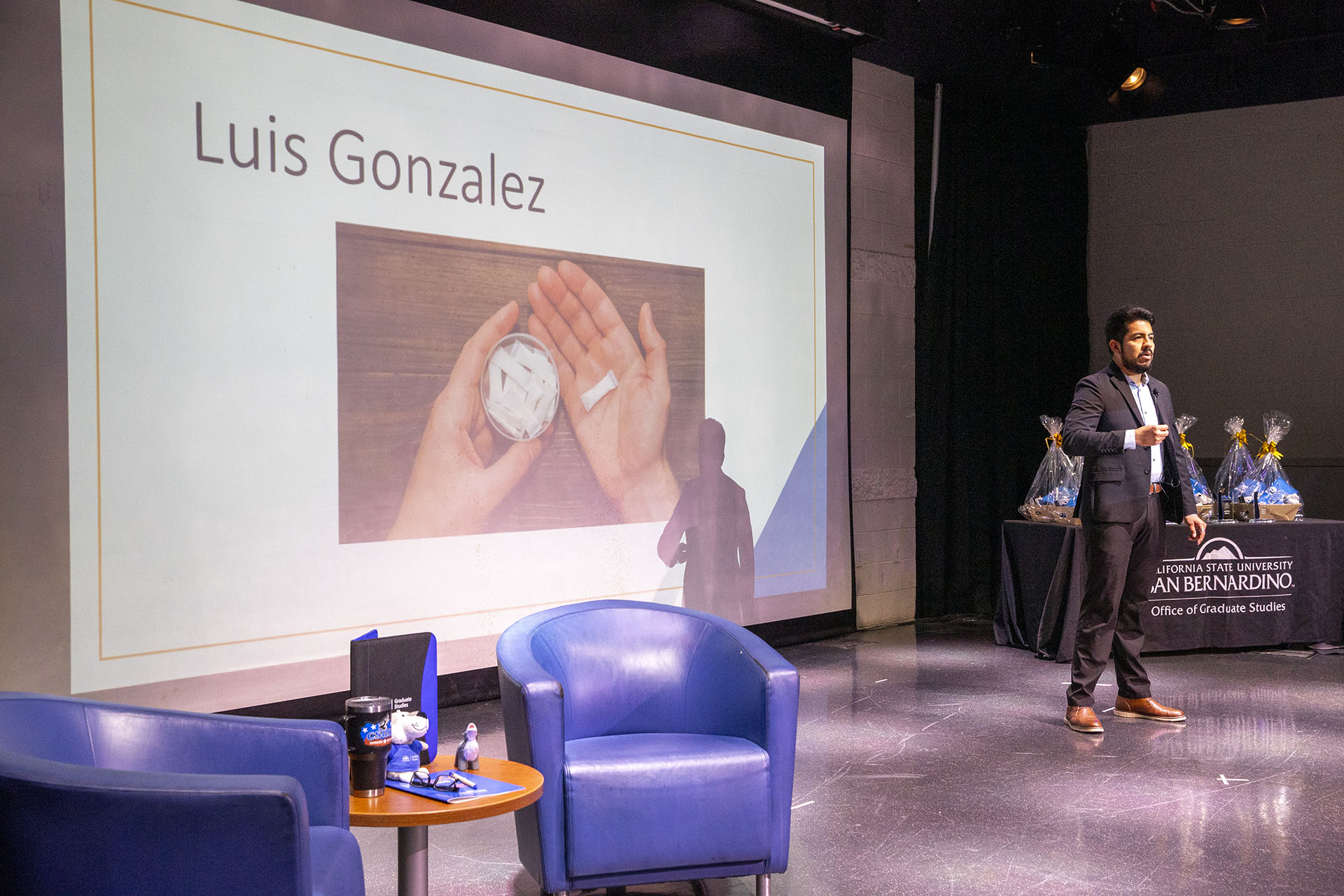
He earned his bachelor’s degree in biological psychology from CSUSB in 2024 and remained at the university for graduate school. As an undergraduate, he joined the laboratory of psychology professor Leslie Amodeo, working on studies involving drugs and activity patterns in adolescent and adult rodent models. As a graduate research assistant, Gonzalez is now leading a National Institutes of Health-funded project examining how exposure to psychostimulants – drugs that increase activity in the brain – during preadolescence affects neurophysiology, or how the nervous system functions, and sleep-awake patterns. His master’s thesis focuses specifically on methylphenidate, a medication commonly used to treat ADHD, investigating how early exposure may affect attention and sleep patterns later in life using an ADHD rodent model.
For Gonzalez, the ability to work closely with faculty has been particularly valuable. He considers the mentor-student relationship to be one of the strengths of the CSUSB experience, saying regular access to faculty gives students opportunities to ask questions, pursue new projects and develop as researchers.
“I get to chat with my mentor every single day,” he said. “I could chat with them, and they in turn could help me grow. They’re there to support you.”
His research eventually expanded beyond the laboratory. As a scholar in CSUSB’s Smoke and Tobacco Outreach and Prevention Scholars program, or STOPS, Gonzalez received training in tobacco-related health disparities and tobacco control. The experience helped lead to his first peer-reviewed paper, “Nicotine Pouches: A Wolf in Sheep’s Clothing,” published in Tobacco Prevention & Cessation in spring 2026, with guidance from co-author Theodore C. Friedman.
Writing the paper taught him about more than nicotine pouches. Gonzalez said the process – locating research, evaluating evidence, preparing a manuscript and submitting it for publication – gave him a deeper understanding of the research process. It also showed him the importance of communicating science beyond an academic audience.
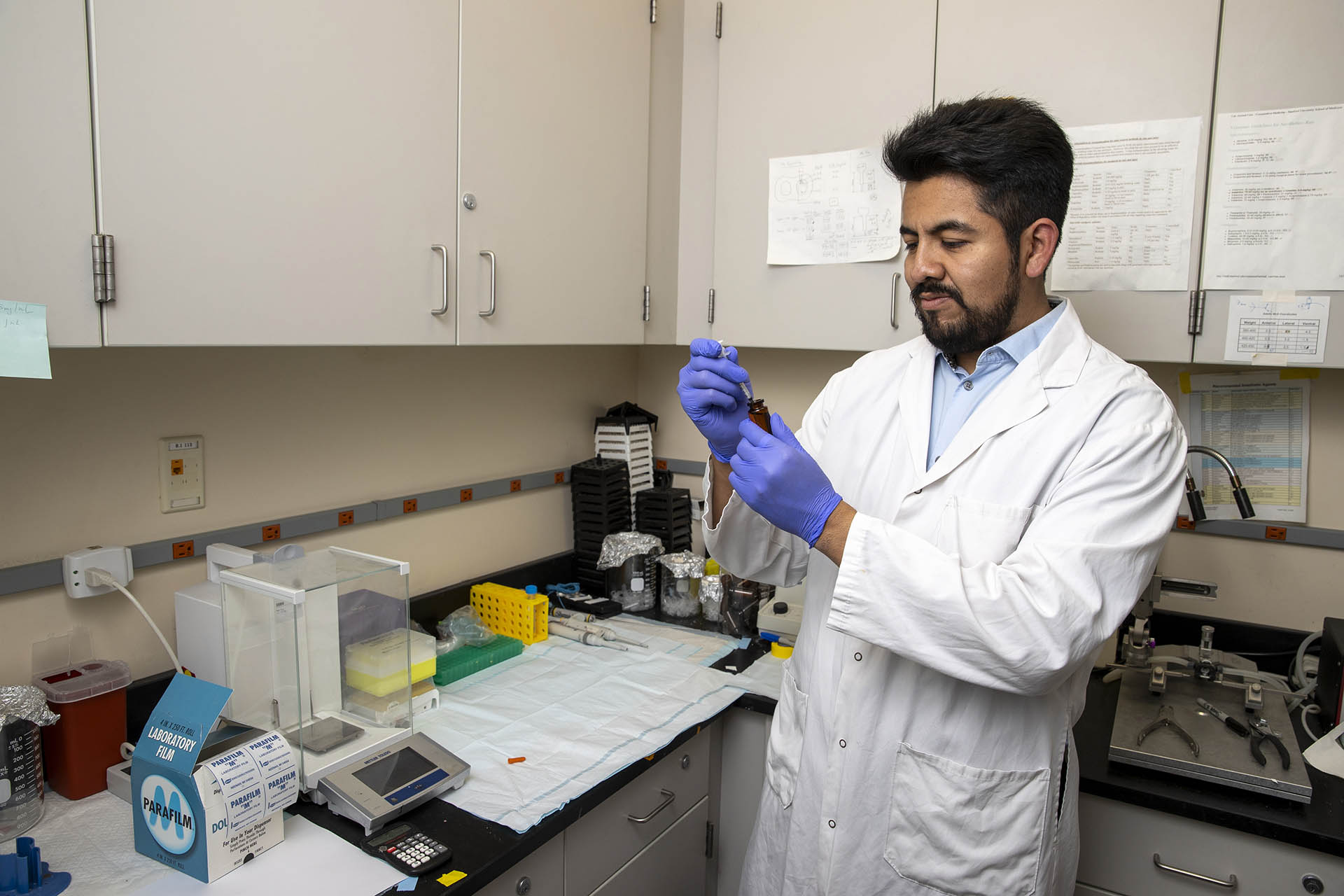
His ability to communicate complex research has also earned him recognition at conferences and competitions. In 2025 and 2026, Gonzalez received numerous honors, including awards at CSUSB’s Meeting of the Minds Student Research Symposium, the Tobacco-Related Disease Research Program Grand Slam and the CSU statewide student research competition. In 2026, he was also a finalist in the CSU statewide three-minute research competition and received CSUSB recognition for graduate research and service.
At the 51st CSU Social Science Student Symposium, Gonzalez earned second place for best graduate paper and oral presentation for his work on methylphenidate, attention and sleep-wake cycles. He said translating technical neuroscience for a nonexpert, interdisciplinary audience was an important part of the presentation.
The accomplishments carry additional meaning for Gonzalez as a first-generation college student. His parents came from Mexico and, he said, valued education even though they did not fully understand the educational system he was learning to navigate. As the oldest child, he sees earning his degree as creating new possibilities for his family.
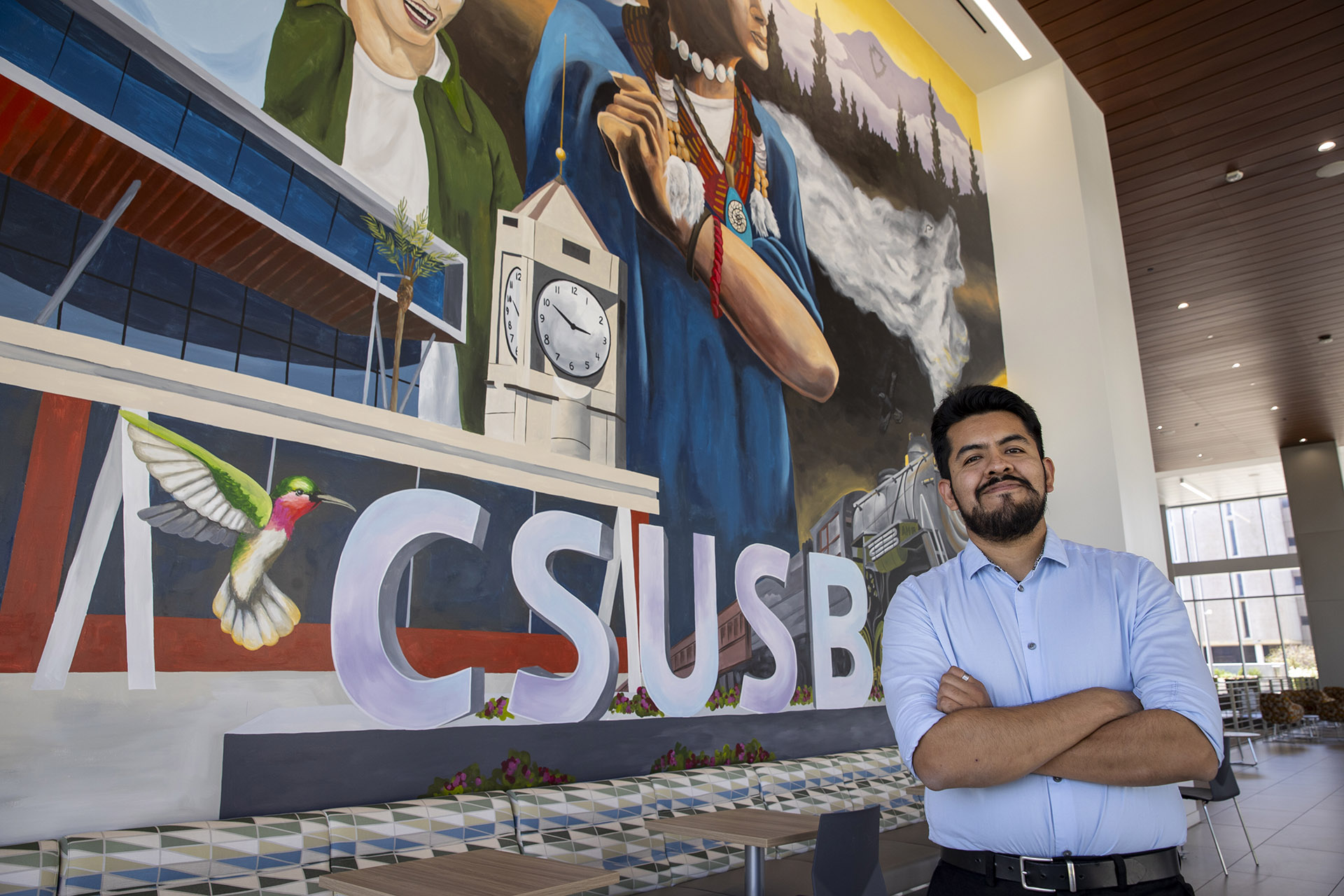
“It really means a lot to me being a first gen,” Gonzalez said. For him, being first generation can become a source of motivation – a reason to persist and “break those generational chains.”
Gonzalez plans to pursue a doctorate in neuroscience or psychology, with the goal of eventually working in health science policy. Research, he said, has convinced him that science can influence policy and help address problems such as mental health and addiction.
But before moving on, he wants other CSUSB students – including those who may not yet picture themselves as researchers or graduate students – to recognize the possibilities available to them.
He acknowledges that research can be challenging and that failure is part of the learning process. But growth, he said, begins with a willingness to take that first step.
“We learn by doing it,” Gonzalez said. “As scientists, we just grow as scientists and improve in our skills.”