Caregiving
DISCLAIMER: The Health Professions Advising Center does not provide caregiving certification or direct employment placement. This page serves as a informational resource only.
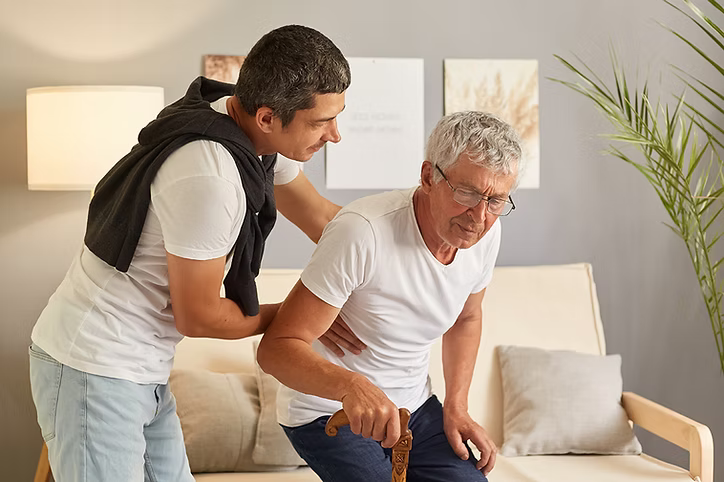
Caregivers (also known as direct care workers or personal care aides), assist individuals (the client/patient) in managing a variety of acute or chronic conditions. These workers are a direct support system for the client, ensuring the patient is safe, comfortable, and that their quality of life increases.
Caregivers typically assist with Activities of Daily Living (ADLs), which include (but are not limited to) mobility, hygiene, and feeding. Workers actively monitor changes in the patient's physical/mental health, manage appointments/scheduling, and provide companionship. Caregivers frequently work in home-care settings, assisted living facilities, memory care units, and hospices.
This is a popular pathway to obtaining patient care hours (PCE), as you are directly exposed to and assisting a patient/client. Some positions require certificates, while many others are Entry-Level and even provide training. This kind of work can assist in understanding the patient-healthcare relationship, and what can go on in the background lives of future patients. This page is intended to explore the caregiving roles, understand the potential training options, and track clinical hours effectively.
How do I become a Caregiver?
There are a multitude of ways to be involved in caregiving. A common way is coming from a background where you would care for a family member under the fact that they needed assistance with day-to-day activities. Paid or unpaid, this can count as experience when it comes to looking for a paid caregiving position.
Some positions may require certifications, others may not. Regardless, certifications can help you find more competitive opportunities to be eligible for. This means higher pay, flexible hours, and more interesting work! Certifications start off at about $50 and go all the way to the thousands.
American Red Cross - Cardio-Pulmonary Resuscitation (CPR)
American Red Cross - Basic Life Support (BLS)
California Department of Social Services - Home Care Aide ($35)
CSUSB College of Extended Learning - Personal Care Aide Training
IHSS is a California-based, federally, state, and locally funded program. IHSS is a service that allows older, blind, or disabled individuals to continue to live in their homes while receiving care from a provider. The client's needs determine their max hour eligibility, and a provider can take on multiple cases in one day.
Steps to become an IHSS Provider
(Complete all steps within 90 days to work as a provider)
- Complete the IHSS Provider Enrollment Form (SOC 426) and return it in-person to an IHSS office / IHSS Public Authority
- Be fingerprinted for a background check via the California Department of Justice
- Locations to be fingerprinted include police stations, postal offices, or anywhere that offers LiveScan Fingerprinting (Apple / Google Maps can help find locations!)
- Attend an IHSS Program Provider Orientation
- Date/Time/Location given by IHSS once the first two steps are completed
- Sign an IHSS Program Provider Enrollment Agreement (SOC 846)
Once done, you may start your search for clients! Below are ways you can connect to a client:
- Join the Public Authority Registry to be referred to beneficiaries needing care
- Reach out to your local IHSS office for available providers
- Direct hire from a family member who needs services (Medi-Cal recipients)
- Online / Local Ads from those needing services
Indeed.com has an extensive selection of caregiving jobs. These entry-level positions are always in demand, and employers typically state in the description whether or not certifications or other requirements are needed. Positions with higher pay tend to have more requirements, but these are usually First Aid, Food Handlers, or another kind of card. ZipRecruiter is similar in this fashion, but Indeed tends to have more options in terms of caregiving experiences.
One of the best ways to get a position is to build a comprehensive profile of yourself, listing previous experiences, certifications, or awards relevant to your professional development. CSUSB's Career Center can help you pinpoint certain aspects of your profile to build upon, along with helping you find appropriate positions to apply to. Many positions tend to require some kind of previous experience of acute/chronic caregiving, whether that be with a family member or a current job.