Alan Llavore | Office of Marketing and Communications | (909) 537-5007 | allavore@csusb.edu
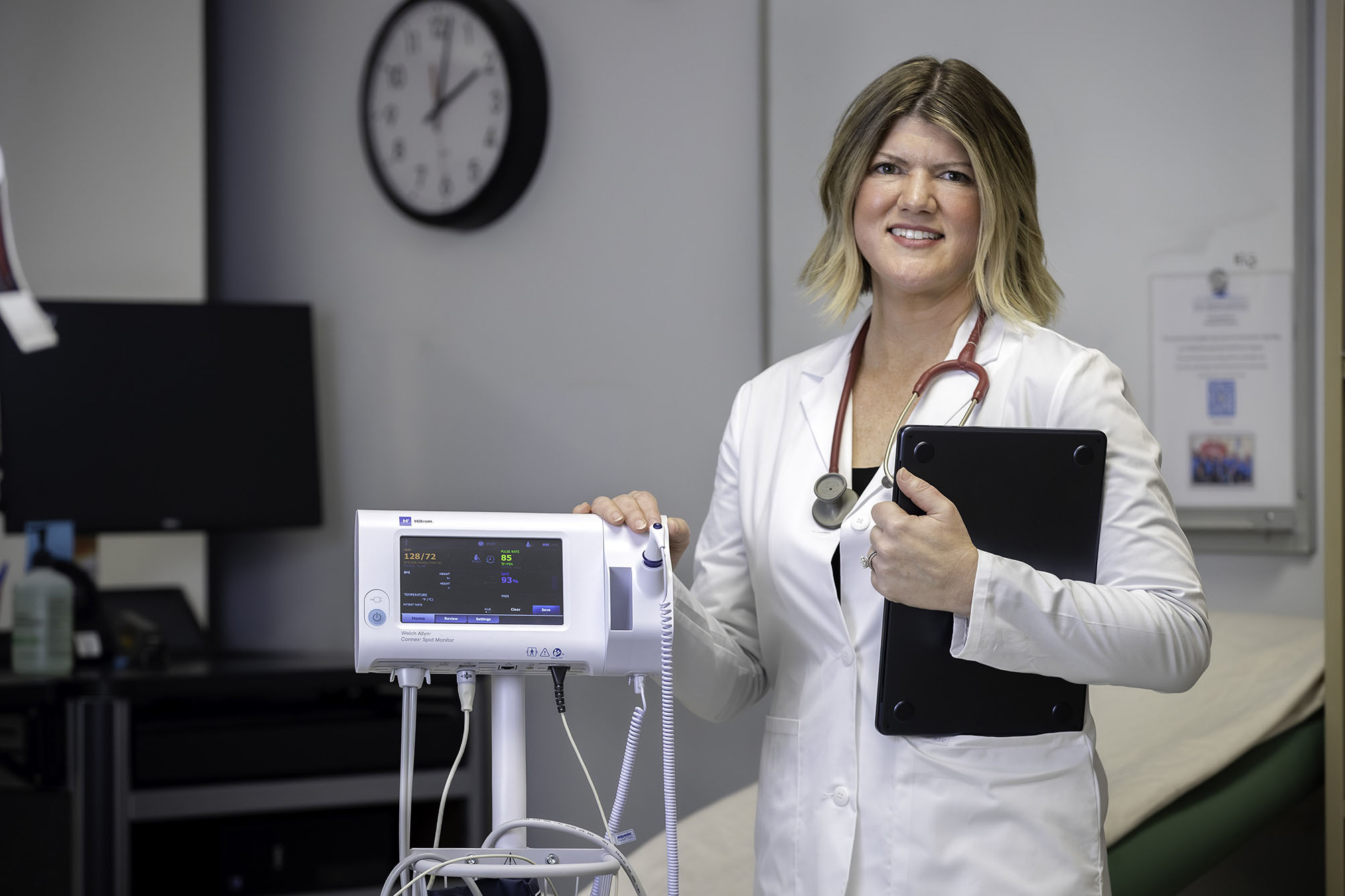
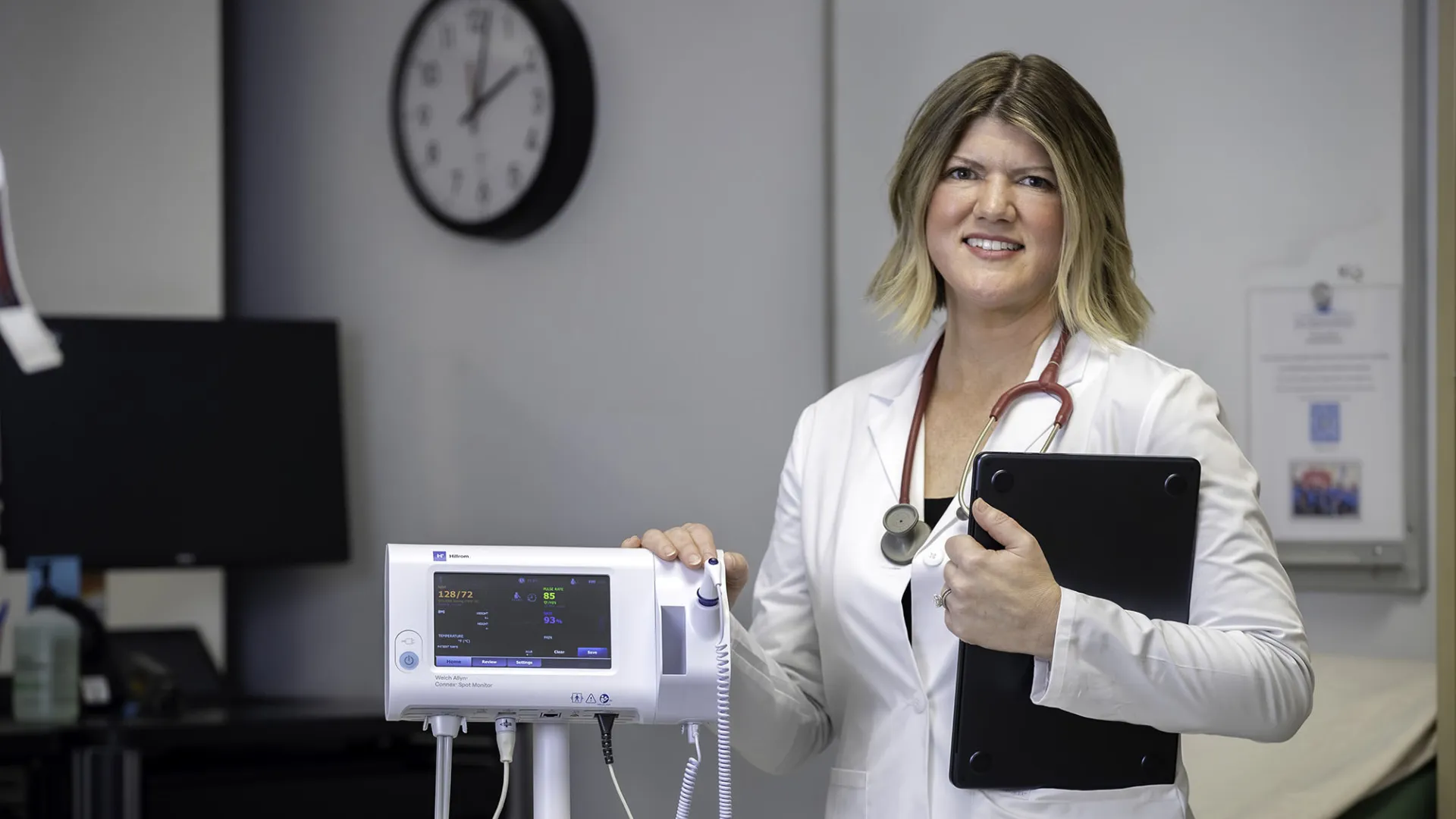
California State University, San Bernardino will launch a new Doctor of Nursing Practice (DNP) program in fall 2026, expanding advanced nursing education opportunities and addressing a critical shortage of primary care providers across the Inland Empire.
The program is designed to prepare registered nurses with bachelor of science in nursing degrees (BSN) for Family Nurse Practitioner certification and for the highest level of professional nursing practice. Applications are currently being accepted for the inaugural cohort, which will serve as a pilot year for the program.
“The vision behind CSUSB’s DNP program is to prepare practice-ready, doctoral-level family nurse practitioners who are equipped to lead, innovate and provide high-quality, holistic primary care,” said Renee Chastain, professor of nursing and founding director of the DNP program. “This is a rigorous BSN-to-DNP program designed to prepare registered nurses for family nurse practitioner (FNP) certification and to assume the highest levels of professional practice upon graduation.”
An FNP is an advanced practice nurse who provides primary care for patients of all ages, including diagnosing illnesses, prescribing medications and managing ongoing health conditions. The DNP is the highest clinical degree in nursing, preparing nurse practitioners not only for advanced patient care, but also for leadership and improving health systems.
The program reflects the Department of Nursing’s holistic approach to wellness and aligns with CSUSB’s mission to support student success, innovation and regional vitality. Its curriculum emphasizes culturally responsive, evidence-based practice and prepares graduates for independent practice across diverse health care settings.
The decision to launch the program comes at a time when Riverside and San Bernardino counties continue to experience longstanding and significant health care access challenges.
“The Inland Empire has poor access to health care and health care professional shortages,” Chastain said. “The graduation of FNPs significantly enhances the quality of health care in communities struggling with limited access to care due to a shortage of providers.”
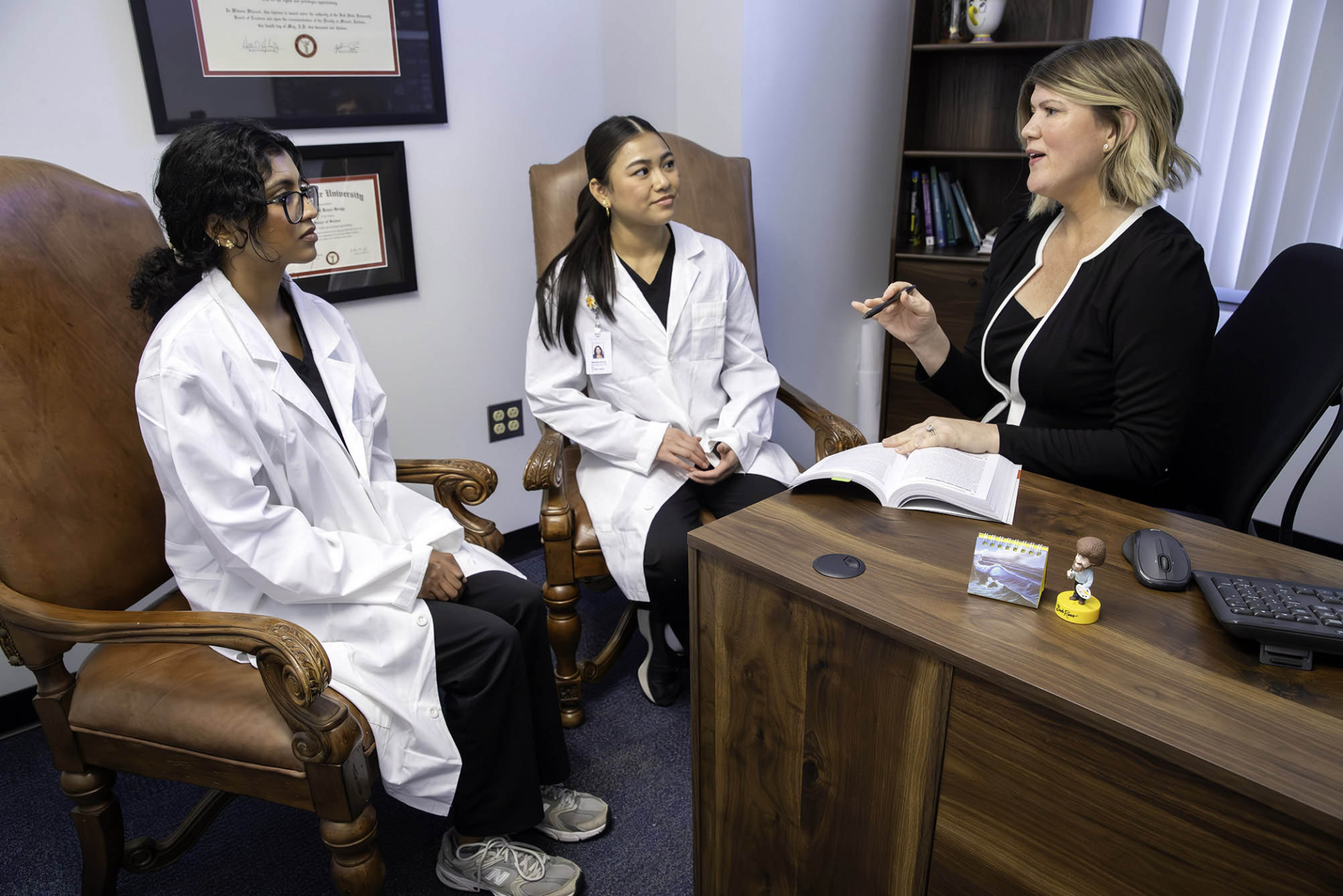
In addition to preparing clinicians for advanced practice, the program will support applied research and scholarly activities that contribute to improved patient and community outcomes.
“Students and faculty will generate evidence-based research and scholarly activities, contribute to the body of knowledge of nursing care, and improve patient and community outcomes,” Chastain said.
CSUSB selected the FNP specialty after reviewing regional workforce data and community needs assessments that consistently identified primary care as a critical gap.
“In 2023, Hanover Research projected significant growth in demand for nurse practitioners and specifically recommended a DNP program at CSUSB,” Chastain said. “The FNP role allows graduates to provide comprehensive, lifespan primary care in a wide range of settings, making it the most effective way to expand access, reduce health disparities and meet the region’s long-term health care needs.”
Chastain said the program is uniquely distinguished by its holistic focus, which “intentionally integrates education on herbal medications and evidence-based integrative modalities alongside conventional biomedical treatment,” she said. “Students are prepared to critically evaluate the safety, efficacy and clinical application of herbal therapies, supplements and complementary approaches and to appropriately incorporate these modalities into patient-centered care.”
This integrative framework equips graduates to treat the whole person — mind, body and environment — while maintaining rigorous adherence to national DNP competencies and scope-of-practice standards. Chastain said the approach reflects growing patient demand for integrative care and strengthens clinical decision-making and cultural responsiveness in diverse settings.
Affordability and access were central considerations in designing the program, particularly in light of new federal loan limits affecting nursing students nationwide.
“Compared to many DNP programs across the state and country, our program is exceptionally affordable, with tuition costs nearly half of many comparable options,” Chastain said. “CSUSB’s DNP program remains well below the national loan cap, making doctoral education more attainable for working nurses.”
By keeping costs manageable, the program aims to ensure that financial barriers do not prevent qualified nurses from pursuing advanced education or serving high-need communities.
The initial cohort will include up to 16 students, with future cohorts expanding to as many as 24. As a new program, the first year will serve as a pilot period before the university becomes eligible to apply for accreditation through the Commission on Collegiate Nursing Education.
“What excites me most about the first DNP cohort is that these students will help shape the identity and culture of the program,” Chastain said. “As the inaugural group, they are not simply entering a curriculum — they are partnering with faculty in building a program grounded in innovation, holistic care and service to the Inland Empire.”
As the program grows, the Department of Nursing is also recruiting additional faculty to support instruction, clinical placements and student mentorship.
“When I think about building the right faculty team for the DNP program, I’m looking for people who are deeply aligned with the program’s mission and committed to preparing doctoral-level clinicians who lead with both expertise and compassion,” Chastain said.
Looking ahead, Chastain emphasized the program’s long-term impact on both graduates and the region.
“I hope this program empowers graduates to step into leadership roles with confidence and purpose,” she said. “For the region, my hope is that this program helps strengthen the primary care workforce in the Inland Empire by increasing access to care, reducing health disparities and preparing nurse practitioners who are deeply connected to the communities they serve.”