Anna Peterson | Conservation Communications | (612) 735-2402 | anna@conservationcommunications.org
Alan Llavore | CSUSB Office of Marketing and Communications | (909) 537-5007 | allavore@csusb.edu
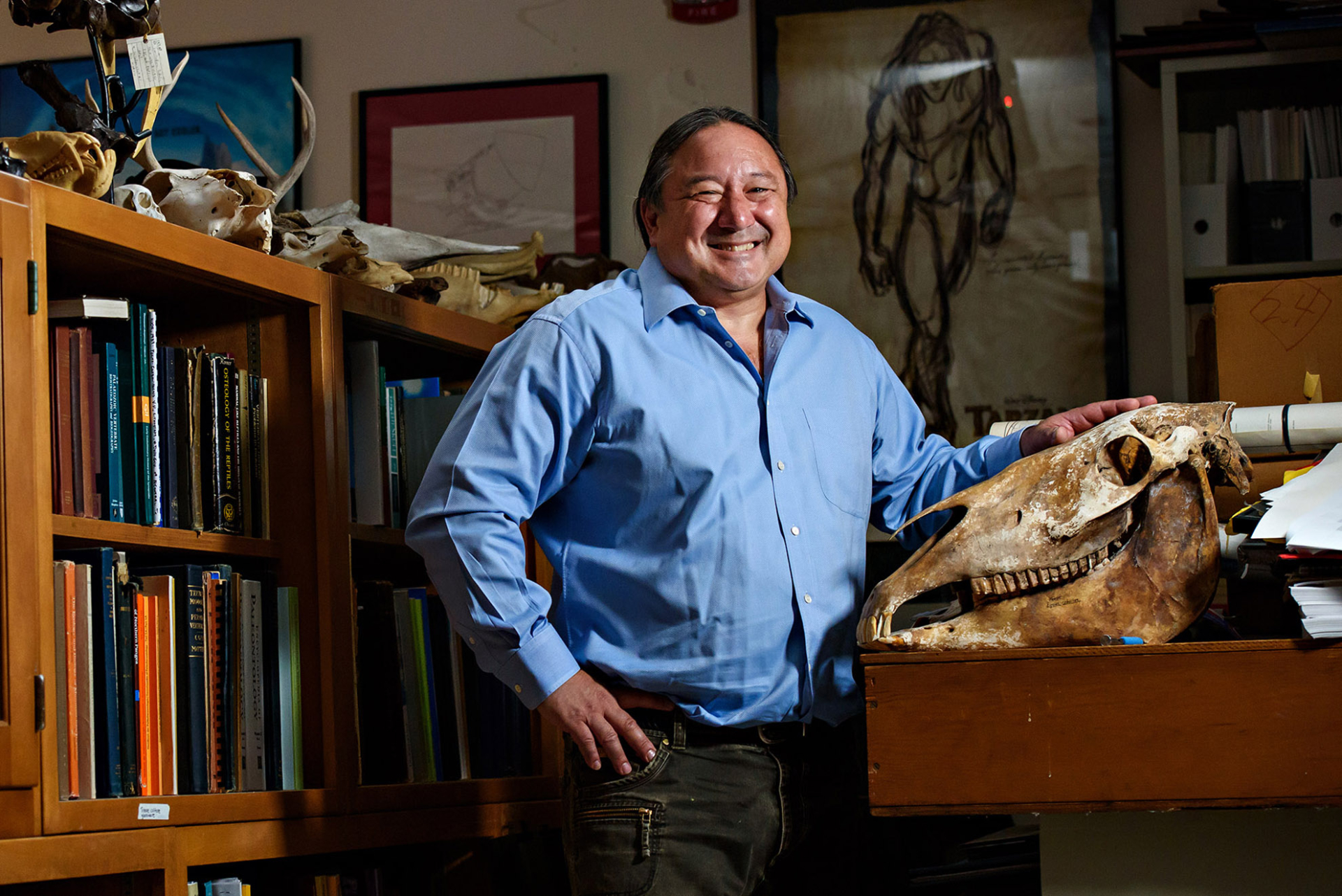
Stuart Sumida, CSUSB professor of biology who serves as the president of the Society of Vertebrate Paleontology, is the lead signatory of a letter signed by more than 150 scientists written to Congress, the U.S. Department of Interior and President Donald Trump in defense of the Grand Staircase-Escalante National Monument in Utah.
Specifically, the scientists are asking Congress to vote no on impending Congressional Review Act (CRA) legislation that would overturn the 2025 Grand Staircase-Escalante National Monument Management Plan.
“This proposed legislation would cause irreparable damage to Utah’s, until now, pre-eminent position as one of the world’s most important centers of dinosaur and other paleontological research,” Sumida said. “Further, this proposed legislative trickery is a shortsighted landgrab that will damage the burgeoning ecotourism industry which holds the potential for hugely positive impact for the state of Utah and the American West and it demonstrates an enormous lack for respect for the indigenous groups that have supported the establishment of Grand Staircase-Escalante and other national monuments.”
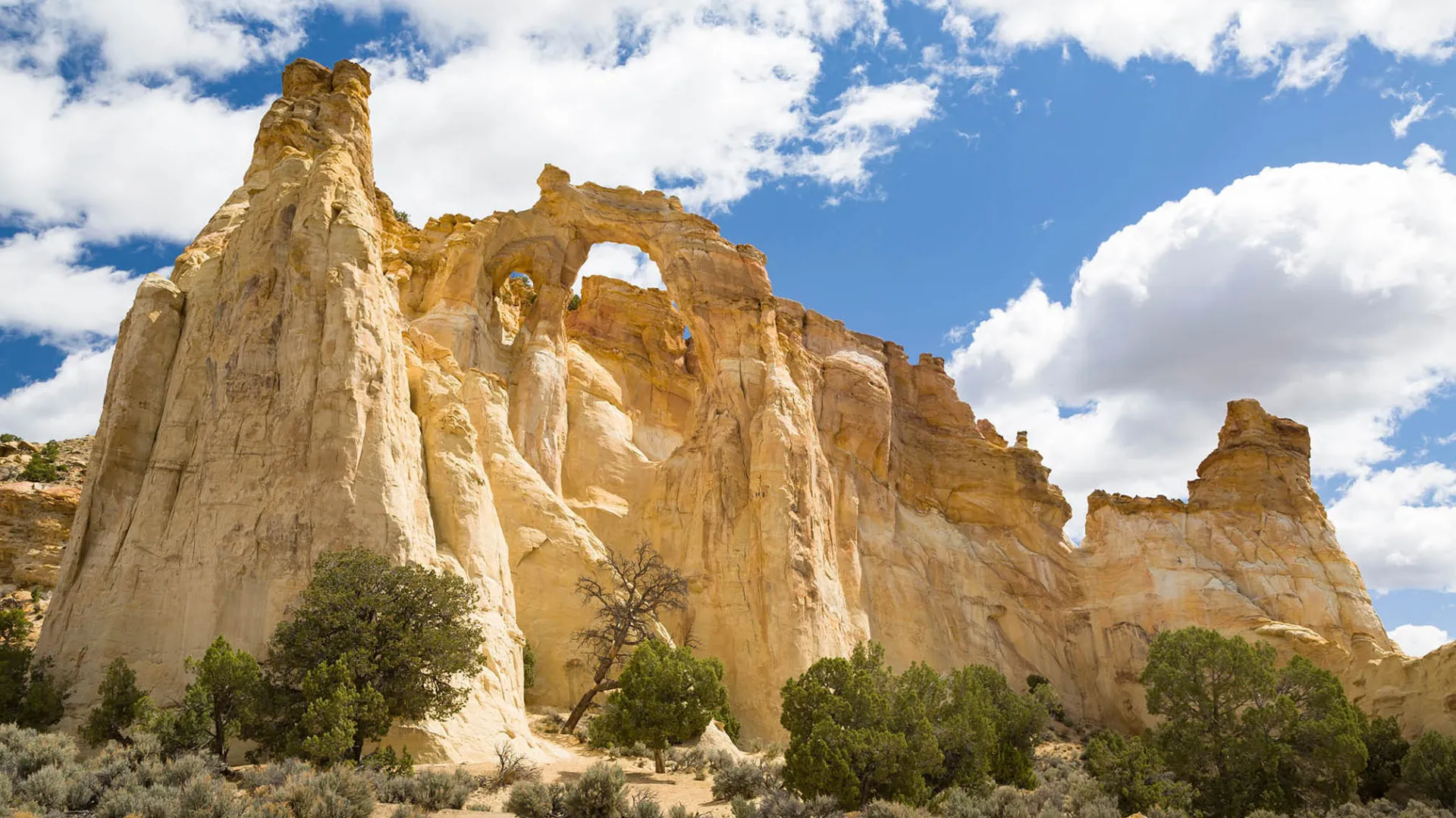
Grand Staircase-Escalante, established as a national monument in 1996, is understood to be one of the most important living laboratories in North America and has been nicknamed the “science monument.” Covering nearly 1.9 million acres in southern Utah, the scientists said Grand Staircase-Escalante’s stratigraphy, fossil record, ecological diversity and cultural resources make it indispensable to scientific discovery and a testament to our shared history as a nation.
Research at the monument continues to yield extraordinary findings, including previously unknown species; fossils from the monument have also revealed unique ecosystems from the Late Cretaceous period, including highly diverse dinosaur communities; and new insights continue to be found about climate change, evolution, extinction dynamics, planetary science, archaeology, biodiversity research and dark-sky science, the scientists said.
Yet despite its global scientific value, shifting federal actions – including boundary reductions and restorations of the monument – long-term planning for research and funding have been difficult, the scientists said. Previous efforts to reduce the size of the monument and fragment the protected landscape jeopardized hundreds of scientifically important fossil sites and active research areas, they said in the letter.
The CRA legislation, introduced by Utah’s U.S. Sen. Mike Lee and Rep. Celeste Maloy, is the first attempt to use the legislative tool to attack a national monument, the scientists said. Under the CRA, both chambers of Congress can expedite their votes and pass the measures by simple majorities. If that happens and the resolution is signed into law by the President Donald Trump, the 2025 Grand Staircase-Escalante National Monument Management Plan – which sets expectations for how the land will be managed for wildlife, outdoor access, dark night skies, grazing, and other uses – will be undone, the scientists said.
Their letter, dated May 14, said, “As scientists, researchers, and educators from across the United States, we write to reaffirm our deep concern regarding threats to the scientific integrity, management, and long-term protection of Grand Staircase-Escalante National Monument. Specifically, the Utah delegation’s reckless gambit to toss out the monument’s management plan using the Congressional Review Act risks not only the scientific objects of interest within the boundaries, but also the future of research and scientific discovery in this unique landscape.”
They urged the Congress, Secretary of the Interior Doug Burgum and Trump to:
- Reject efforts to use the Congressional Review Act to overturn the monument’s management plan
- Maintain stable, science-based management of Grand Staircase-Escalante National Monument
- Ensure adequate funding and staffing to protect its resources and support research
- Respect Tribal connections and incorporate Indigenous knowledge into stewardship of and research around the monument
- Affirm the monument’s full protection as essential to scientific discovery and public benefit.
The letter concluded, “Grand Staircase-Escalante is not only a national treasure. It is a global scientific asset. Decisions made today will determine whether future generations of scientists can continue to explore, understand, and learn from this extraordinary landscape.”