Alan Llavore | CSUSB Office of Marketing and Communications | (909) 537-5007 | allavore@csusb.edu
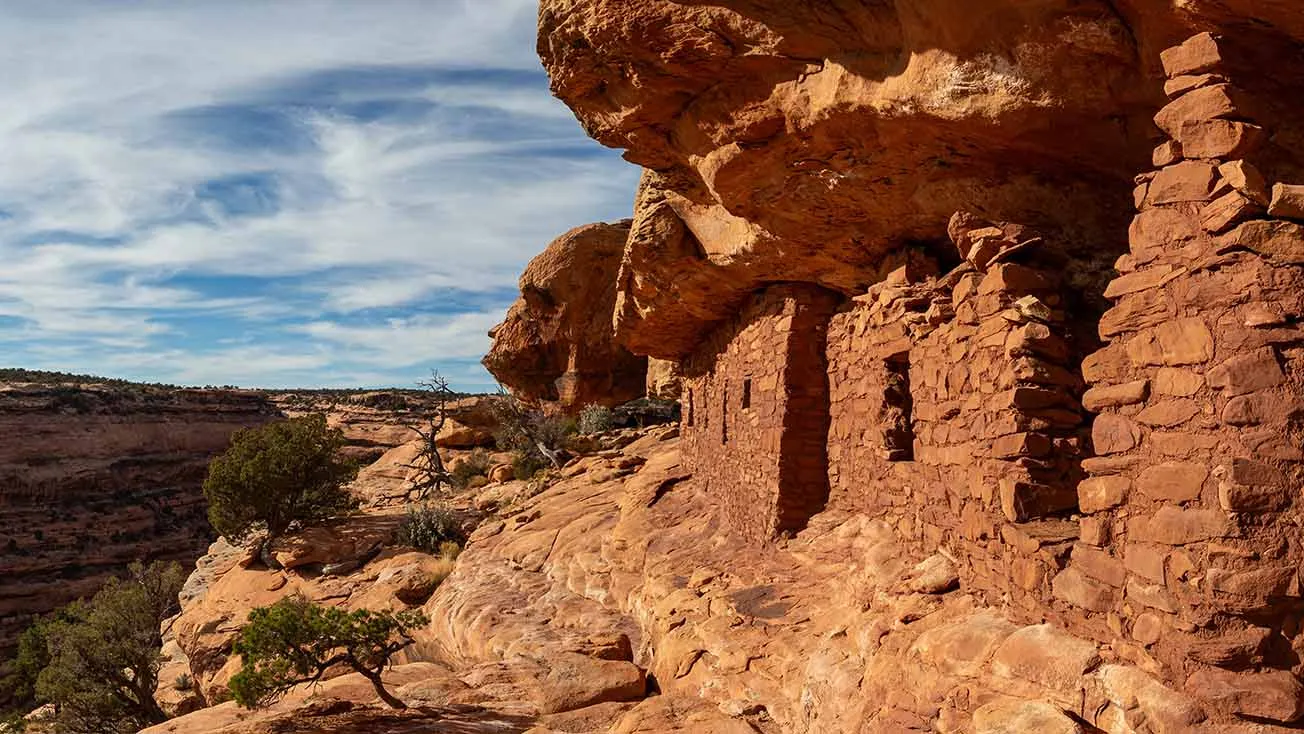
Stuart Sumida, a Cal State San Bernardino biology professor and president of the Society of Vertebrate Paleontology, is speaking out as the scientific organization joins a federal lawsuit challenging the reduction of Bears Ears National Monument.
The society and its co-plaintiffs filed the lawsuit Sept. 2 after President Donald Trump announced July 13 that Bears Ears would be reduced by approximately 91%. The administration also reduced Grand Staircase-Escalante National Monument by approximately 90%. Together, nearly 3 million acres lost national monument protections. Prior to that move, in May, Sumida was the lead signatory of a letter signed by more than 150 scientists that urged Congress to protect Utah’s Grand Staircase-Escalante National Monument.
The lawsuit argues that the Bears Ears reduction is illegal because the Antiquities Act gives presidents the authority to designate national monuments, not eliminate them. It continues legal action that the society and other plaintiffs first pursued in 2017, when Trump reduced both monuments during his first administration.
Sumida, speaking as the president of the Society of Vertebrate Paleontology, said the reduction also disregards Bears Ears’ scientific and cultural importance.
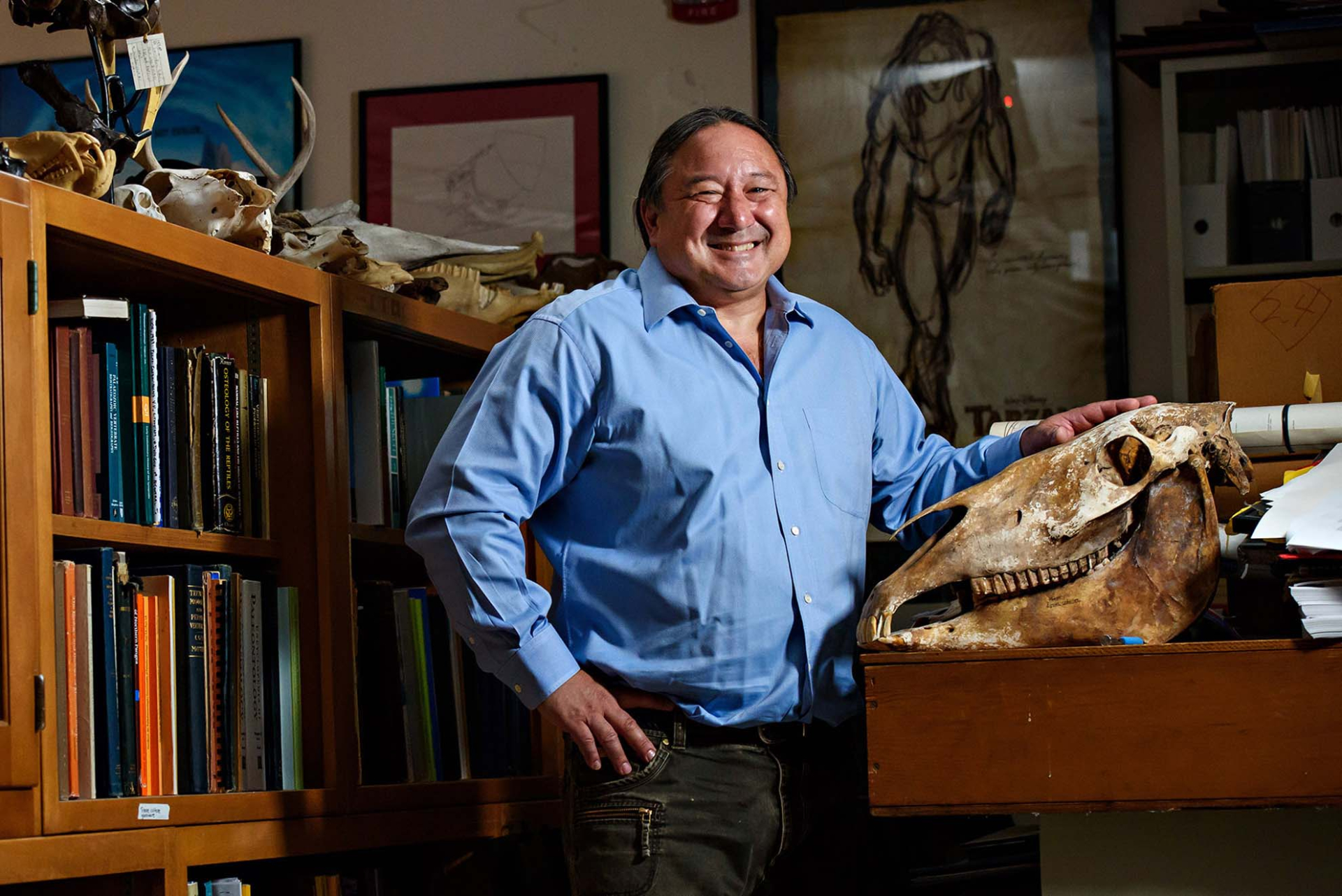
“The president’s wholesale and thoughtless deprotection of Bears Ears shows a fundamental lack of understanding of its scientific and cultural significance and what it can teach us about the deep-time history of our planet,” Sumida said. “Further, it is profoundly insulting to our tribal partners and deeply disrespectful of their culture and history.”
The Society of Vertebrate Paleontology is joined in the lawsuit by Utah Diné Bikéyah, Archaeology Southwest, the Conservation Lands Foundation, Patagonia Works, the Access Fund, the National Trust for Historic Preservation and A’Nuche Inc.
Bears Ears was the first national monument created at the urging of paleontologists working with tribal nations and, before the proclamation, the first with a tribal-led resource management plan. It contains thousands of paleontological sites and thousands of culturally significant and sacred sites where tribal communities maintain connections to their ancestors.
The Society of Vertebrate Paleontology’s work in the lands originally protected as part of Bears Ears dates back nearly 70 years. Numerous society members continue to conduct scientific fieldwork there.
The organization maintains that the reduction undermines the monument’s original purpose of protecting important fossil resources and the cultural and sacred sites of Indigenous tribes with ancestral connections to Bears Ears.
The society also cited polling showing that 91% of voters in the western states believe national monuments should retain their existing boundaries. In Utah, it said, 75% of voters want elected officials to prioritize public-land conservation over energy production.
“We need our elected representatives to stand up for the importance of science in the United States and around the world,” Sumida said. “In the United States, we call on our elected representatives to codify the limitations on presidential abuse of the Antiquities Act, protect the public lands that belong to all Americans and respect our Indigenous groups that came long before the United States was established as a country.”
The Society of Vertebrate Paleontology is the world’s largest scientific organization of paleontologists, with approximately 2,000 members from more than 50 countries working on every continent. Its mission includes advancing vertebrate paleontology and protecting fossil resources worldwide. Members include professional paleontologists, artists, students and young people.